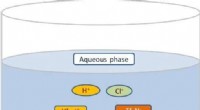
1. Water: Water is a powerful solvent and can dissolve many minerals, particularly those that are soluble in acidic solutions. It can also react with minerals to form new, weaker minerals, like when water reacts with feldspar to form clay.
2. Acids: Acids are particularly effective at breaking down rocks. Here are some sources of acids in weathering:
* Carbonic Acid: This is formed when carbon dioxide from the atmosphere dissolves in water, which is a major source of acidity in rainwater. Carbonic acid can react with calcium carbonate in rocks like limestone to form calcium bicarbonate, which is soluble and dissolves away.
* Organic Acids: These are produced by decaying plants and animals. They can be very effective at breaking down minerals.
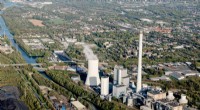
* Acid Rain: Industrial pollution can cause acid rain, which is significantly more acidic than normal rainwater. This can cause rapid weathering of rocks and other materials.
It's important to note that these two forces often work together. Water acts as a vehicle for acids, allowing them to reach and react with rock surfaces.