Here's why:
* Anaerobic literally means "without air". Since air contains oxygen, a reaction that occurs without oxygen is considered anaerobic.
* Aerobic reactions, on the other hand, require oxygen.
Examples of anaerobic reactions include:
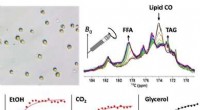
* Fermentation: The process used by yeast to produce alcohol and carbon dioxide.
* Cellular respiration (under anaerobic conditions): Some organisms can still generate energy without oxygen, although less efficiently.
* Rusting in the absence of oxygen: While rusting typically involves oxygen, certain forms of rust can occur without it.
Let me know if you'd like more information about specific anaerobic reactions!