Surface Evaporation:
* This is the most common type of evaporation.
* Water molecules at the surface gain enough energy (often from heat) to overcome the attractive forces holding them together.
* They break free from the liquid phase and become water vapor in the air.
Subsurface Evaporation:
* This happens when water molecules within the liquid, not just at the surface, gain enough energy to escape.
* It's less common than surface evaporation because the water molecules are more tightly bound together within the liquid.
* This can happen in situations like:
* Boiling: When water is heated to its boiling point, the increased energy allows molecules throughout the liquid to escape as vapor.
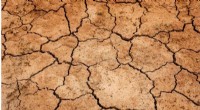
* Porous materials: Water trapped within porous materials like soil or wood can evaporate from the inside.
* Shallow water bodies: In shallow bodies of water where sunlight can penetrate, the water molecules throughout the depth can absorb energy and evaporate.
In summary: While surface evaporation is the most common, water molecules can evaporate from below the surface under certain conditions.