Acid precipitation, more commonly known as acid rain, is a form of precipitation that is unusually acidic, meaning it has a lower pH than normal rainwater. This acidity can harm the environment, including forests, lakes, and buildings.
How is it produced?
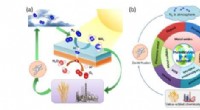
Acid rain is primarily caused by the release of sulfur dioxide (SO2) and nitrogen oxides (NOx) into the atmosphere. These pollutants are emitted from various sources, including:
* Burning fossil fuels: Power plants, factories, and vehicles that burn coal, oil, and gas release large amounts of SO2 and NOx.
* Industrial processes: Certain industries, such as metal smelting and manufacturing, also contribute to SO2 and NOx emissions.
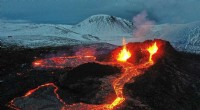
* Natural sources: Volcanic eruptions and forest fires can release SO2 and NOx, but their contribution to acid rain is usually less significant than human-made emissions.
Once released into the atmosphere, SO2 and NOx react with water, oxygen, and other chemicals to form sulfuric acid (H2SO4) and nitric acid (HNO3). These acids are then dissolved in rainwater, making it acidic.
The Chemistry:
* SO2 + H2O + O2 → H2SO4 (sulfuric acid)
* NOx + H2O + O2 → HNO3 (nitric acid)
Impacts of Acid Precipitation:
* Forest damage: Acid rain can damage trees by stripping them of nutrients and weakening them, making them susceptible to diseases and pests.
* Water pollution: Acid rain can acidify lakes and streams, making them uninhabitable for fish and other aquatic life.
* Corrosion: Acid rain can corrode buildings, statues, and other structures, causing damage and deterioration.
* Human health: Acid rain can contribute to respiratory problems and other health issues.
Mitigation efforts:
* Reduce emissions: Governments and industries are working to reduce SO2 and NOx emissions through regulations and cleaner technologies.
* Use renewable energy sources: Shifting to renewable energy sources, such as solar and wind power, can help reduce fossil fuel consumption and associated emissions.
* Conservation: Reducing our energy consumption through measures like energy efficiency and conservation can also contribute to reducing emissions.
In conclusion, acid rain is a serious environmental problem caused by human activity. Understanding its causes and impacts is crucial for taking action to mitigate its effects and protect the environment.