1. Abundance in Earth's Crust:
* Oxygen: Oxygen is the most abundant element in Earth's crust, making up around 46.6% of its mass. It is highly reactive and readily forms compounds with other elements.
* Silicon: Silicon is the second most abundant element, making up about 27.7% of the crust. It's also highly reactive and forms strong bonds with oxygen.
2. Formation of Stable Compounds:
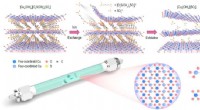
* Silicon-Oxygen Tetrahedra: Silicon and oxygen readily combine to form a fundamental building block called the silicon-oxygen tetrahedron (SiO4). This tetrahedron is incredibly stable and forms the backbone of many common minerals.
* Diverse Bonding: The silicon-oxygen tetrahedra can link together in various ways, forming chains, sheets, or three-dimensional frameworks. This allows for the creation of a wide variety of mineral structures.
3. Geological Processes:
* Weathering: Weathering processes break down rocks, releasing silicon and oxygen into the environment. These elements are then transported and deposited, contributing to the formation of new minerals.
* Magma Formation: Silicon and oxygen are major constituents of magma, the molten rock found beneath the Earth's surface. When magma cools and crystallizes, it forms minerals rich in these elements.
4. Mineral Diversity:
* Silicate Minerals: The majority of minerals found in Earth's crust are silicates, meaning they contain the silicon-oxygen tetrahedron as a primary structural unit.
* Oxides: Many minerals are also oxides, meaning they are composed of oxygen bonded to other elements like iron, aluminum, or magnesium.
In summary: The abundance of oxygen and silicon in Earth's crust, their ability to form stable and diverse compounds, and their involvement in geological processes contribute to their dominance in the mineral world.