Here's why:
* Speeds up reactions: Catalysts accelerate the rate of a chemical reaction without being consumed in the process.
* Lowers activation energy: Catalysts do this by providing an alternative reaction pathway with a lower activation energy. This means less energy is needed to start the reaction.
* Not part of the product: Catalysts are not part of the final product of the reaction. They remain unchanged after the reaction is complete.
Examples of catalysts:
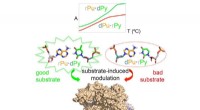
* Enzymes: Biological catalysts that speed up biochemical reactions in living organisms.
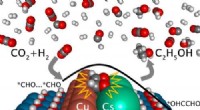
* Metals: Platinum, palladium, and nickel are commonly used as catalysts in industrial processes.
* Acids and bases: Can act as catalysts for certain reactions.
Let me know if you'd like to explore specific examples or concepts related to catalysis!