Ca(OH)₂ (aq) + CO₂ (g) → CaCO₃ (s) + H₂O (l)
Here's a breakdown of the reaction:
* Calcium hydroxide (Ca(OH)₂) is a base, commonly known as slaked lime.
* Carbon dioxide (CO₂) is a gas, typically found in the atmosphere.
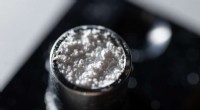
* Calcium carbonate (CaCO₃) is a solid, commonly known as limestone or chalk.
* Water (H₂O) is a liquid.
Explanation:
The reaction occurs in two steps:
1. CO₂ dissolves in water: CO₂ reacts with water to form carbonic acid (H₂CO₃).
2. Neutralization: The carbonic acid (H₂CO₃) reacts with calcium hydroxide (Ca(OH)₂) to form calcium carbonate (CaCO₃) and water (H₂O).
Practical Applications:
This reaction has various applications, including:
* Liming soils: Calcium hydroxide is used to neutralize acidic soils by reacting with the acidic components, resulting in calcium carbonate.
* Production of calcium carbonate: This reaction is used to produce calcium carbonate for various industrial applications.
* Carbon dioxide scrubbing: Calcium hydroxide is used in gas scrubbing systems to remove carbon dioxide from various industrial processes.
Note:
This reaction is an example of a double displacement reaction, where two reactants exchange ions to form two new products.