Here's a breakdown of the key elements:
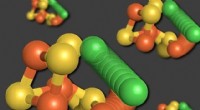
* Chemical Reactions: Chemical weathering involves chemical reactions that change the composition of the rock or mineral.
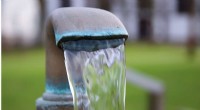
* Water: Water is a powerful agent of chemical weathering. It can dissolve minerals, especially salts.
* Atmospheric Gases: Oxygen and carbon dioxide are key atmospheric gases involved in chemical weathering. Oxygen can oxidize minerals (like iron), leading to rusting. Carbon dioxide dissolves in water to form carbonic acid, which can dissolve limestone and other carbonate rocks.
Examples of chemical weathering:
* Oxidation: The reaction of iron in rocks with oxygen to form iron oxide (rust).
* Carbonation: The dissolving of limestone by carbonic acid.
* Hydrolysis: The reaction of water with minerals, breaking down their structure.
* Hydration: The absorption of water molecules into the mineral structure, causing expansion and weakening.
Note: While chemical weathering is distinct from physical weathering (e.g., frost wedging), the two often work together. For instance, physical weathering can break rocks into smaller pieces, increasing the surface area exposed to chemical weathering.