1. Energy Production and Storage:
* Combustion: Burning fuels like wood, coal, natural gas, and gasoline releases energy as heat and light. This is the basis for power plants, vehicles, and many heating systems.
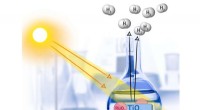
* Photosynthesis: Plants use sunlight to convert carbon dioxide and water into glucose (sugar) and oxygen. This reaction fuels plant growth and is the foundation of our food chain.
* Electrochemical reactions in batteries: Batteries store energy by converting chemical energy into electrical energy through oxidation-reduction reactions. This powers everything from cell phones to cars.
2. Material Synthesis and Manufacturing:
* Polymerization: Joining small molecules (monomers) into long chains to create polymers like plastics, rubber, and fibers.
* Haber-Bosch process: This reaction converts atmospheric nitrogen into ammonia, a vital ingredient for fertilizers, explosives, and other industries.
* Production of pharmaceuticals: Complex chemical reactions are used to create medicines, vaccines, and other essential healthcare products.
* Metal refining: Extraction of metals from ores and their refinement into usable forms involves various chemical reactions.
3. Food and Beverage Production:
* Fermentation: Microbial conversion of carbohydrates into alcohol and carbon dioxide, used in brewing, winemaking, and bread baking.
* Cooking: Complex chemical reactions occur when food is heated, changing its taste, texture, and nutritional content.
* Food preservation: Reactions like pickling, canning, and drying alter the environment, inhibiting spoilage microbes.
4. Environmental Protection:
* Water treatment: Chemical reactions are used to purify water by removing contaminants like bacteria, heavy metals, and organic pollutants.
* Wastewater treatment: Wastewater is treated using reactions to remove harmful substances and decompose organic matter.
* Air pollution control: Reactions are employed to remove pollutants from exhaust gases, such as sulfur dioxide and nitrogen oxides.
5. Research and Development:
* Laboratory synthesis: Chemists constantly develop new reactions to create new materials, drugs, and other products.
* Analytical chemistry: Reactions are used in analytical techniques to detect and quantify substances, aiding in scientific research and quality control.
Beyond these categories, specific useful chemical reactions abound:
* Neutralization: Acid-base reactions are used to neutralize harmful substances and control pH levels.
* Esterification: Reactions that produce esters, used in fragrances, flavors, and plastics.
* Oxidation-reduction reactions: These are essential for many processes, including respiration, corrosion, and photography.
Ultimately, the "usefulness" of a chemical reaction depends on its application. Many seemingly simple reactions play crucial roles in complex processes, making them invaluable to various fields.