Here's how it works:
* Alkenes are hydrocarbons with a carbon-carbon double bond.
* Hydrogenation is the process of adding hydrogen (H₂) to a molecule.
* Alkanes are hydrocarbons with only single bonds between carbon atoms.
In the hydrogenation process, the double bond in the alkene is broken, and two hydrogen atoms are added to the carbon atoms that were previously double bonded. This results in a saturated alkane.
For example:
* Ethylene (C₂H₄, an alkene) can be hydrogenated to form ethane (C₂H₆, an alkane):
```
C₂H₄ + H₂ → C₂H₆
```
Key points about hydrogenation:
* It is a syn addition reaction, meaning that the two hydrogen atoms are added to the same side of the double bond.
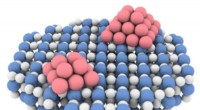
* It is usually carried out in the presence of a metal catalyst, such as platinum, palladium, or nickel.
* Hydrogenation is an exothermic reaction, meaning it releases heat.
Applications of alkene hydrogenation:
* Production of margarine: Unsaturated vegetable oils are hydrogenated to produce solid margarine.
* Production of fuels: Hydrogenation is used to produce gasoline and diesel fuel.
* Synthesis of organic compounds: Hydrogenation is a key step in many organic synthesis reactions.