* Chlorine (Cl₂) is a gas: It's a greenish-yellow gas at room temperature.
* Sodium (Na) is a solid metal: It's a soft, silvery metal that reacts violently with air and water.
What Happens When They React
If you were to try and mix them, they would react explosively to form sodium chloride (NaCl), which is common table salt.
The Reaction:
2 Na (s) + Cl₂ (g) → 2 NaCl (s)
Explanation:
* Sodium is highly reactive and easily loses an electron to become a positively charged sodium ion (Na⁺).
* Chlorine is also highly reactive and readily gains an electron to become a negatively charged chloride ion (Cl⁻).
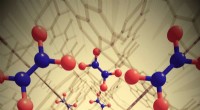
* The strong attraction between the oppositely charged ions results in the formation of an ionic bond, creating sodium chloride.
Important Considerations:
* Extreme caution: This reaction is highly exothermic, meaning it releases a lot of heat and can cause an explosion.
* Never attempt this: It's extremely dangerous to mix sodium and chlorine directly due to the violent reaction.
Instead of mixing them directly, you can observe their reaction in a controlled setting, like a chemistry lab, where safety precautions are in place.