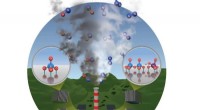
* Carbon dioxide (CO2): This is the primary product of combustion, formed when the carbon atoms in the hydrocarbon combine with oxygen.
* Water (H2O): The hydrogen atoms in the hydrocarbon combine with oxygen to form water.
In addition to these main products, combustion can also produce other products depending on the conditions, such as:
* Carbon monoxide (CO): This is a toxic gas produced when there is not enough oxygen available for complete combustion.
* Soot (carbon particles): This is produced when there is not enough oxygen available for all the carbon atoms in the hydrocarbon to combine with oxygen.
* Nitrogen oxides (NOx): These are formed when nitrogen in the air reacts with oxygen at high temperatures.
* Sulfur dioxide (SO2): This is produced when the hydrocarbon contains sulfur, which is often the case with fossil fuels.
The specific products produced in combustion will depend on the type of hydrocarbon, the amount of oxygen present, and the temperature of the reaction.