Here's a breakdown:
* Solid: Minerals are not liquids or gases.
* Inorganic: They are not formed from living organisms.
* Naturally: They are formed by natural processes.
* On or beneath the surface: They can be found in various geological locations, from the Earth's crust to deeper layers.
Examples of minerals include:
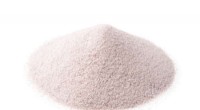
* Quartz: Commonly found in rocks and sand.
* Feldspar: One of the most abundant minerals in the Earth's crust.
* Calcite: The main component of limestone and marble.
* Diamond: A very hard mineral known for its brilliance.
* Gold: A valuable metal found in veins and deposits.
Note:
While minerals are the primary focus, there are other naturally occurring solid inorganic materials, like:
* Rocks: Aggregates of minerals.
* Glass: Amorphous solid formed from cooled molten materials.
* Ores: Rocks containing valuable minerals.
Let me know if you'd like to delve deeper into specific types of minerals or their formation processes!