General Nonmetal Characteristics:
* Poor conductor of heat and electricity: Sulfur is a poor conductor of both heat and electricity. This is because its electrons are tightly bound within its atoms, making it difficult for them to move freely.
* Brittle: Sulfur is brittle, meaning it breaks easily when subjected to stress. This is also due to the strong bonds between its atoms.
* Dull appearance: Sulfur has a characteristic yellow color and is often described as having a dull, powdery appearance.
* Low melting and boiling points: Sulfur has a relatively low melting point (115.21 °C) and boiling point (444.6 °C) compared to metals. This is because the bonds between sulfur atoms are relatively weak.
Specific Sulfur Properties:
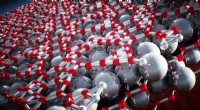
* Allotropy: Sulfur exists in multiple allotropes, meaning it can exist in different structural forms with varying properties. For example, rhombic sulfur and monoclinic sulfur are two common allotropes.
* Reactivity: Sulfur is reactive with many other elements, particularly metals. It forms sulfides with metals, which are often found in nature as ores.
* Odor: Sulfur compounds can have strong, often unpleasant odors. For example, hydrogen sulfide (H2S) is known for its rotten egg smell.
* Oxidation states: Sulfur can exhibit various oxidation states, ranging from -2 to +6. This allows it to participate in a wide range of chemical reactions.
* Uses: Sulfur is used in various industrial applications, including the production of sulfuric acid (H2SO4), a key industrial chemical used in manufacturing fertilizers, detergents, and batteries. Sulfur is also used in vulcanizing rubber, making it more durable and resilient.
Key takeaway: Sulfur exhibits a range of nonmetal properties, including poor conductivity, brittleness, a dull appearance, and low melting and boiling points. Its unique allotropes and reactivity make it a valuable element for various industrial applications.