Here's why:
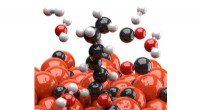
* Chemical Reaction: When HCl comes into contact with a carbonate mineral, a chemical reaction occurs. The acid reacts with the carbonate (CO3)2- ion to produce carbon dioxide gas (CO2), water (H2O), and a chloride salt.
* Fizzing: The carbon dioxide gas is released as bubbles, causing the characteristic fizzing or effervescence.
Common Carbonate Minerals that Fizz:
* Calcite (CaCO3): The most common carbonate mineral, found in limestone, marble, and chalk.
* Dolomite (CaMg(CO3)2): A common carbonate mineral found in sedimentary rocks.
* Siderite (FeCO3): A carbonate mineral containing iron.
* Magnesite (MgCO3): A carbonate mineral containing magnesium.
Important Note:
* Not all rocks that fizz with acid are purely carbonate minerals. Some rocks contain a mixture of minerals, including carbonates.
* The strength of the fizzing can vary depending on the concentration of the acid and the purity of the carbonate mineral.
Using this knowledge in Earth Space Science:
* Identifying rocks: The fizz test is a simple field test that can help geologists distinguish between carbonate rocks and other types of rocks.
* Understanding geological processes: Carbonate minerals play a vital role in various geological processes, including the formation of caves, karst landscapes, and sedimentary rocks.