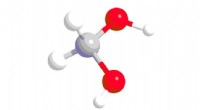
* Hydrogen Bonding: Hydrogen bonds are relatively weak attractions between a hydrogen atom covalently linked to a highly electronegative atom (like oxygen in water) and an electron pair in the adjacent molecule. This creates a "sticky" interaction between water molecules.
* Cohesion: Cohesion refers to the attraction between molecules of the same substance. In water, the strong hydrogen bonds between water molecules lead to a high degree of cohesion. This means water molecules "stick" together.
Here's how this relationship plays out:
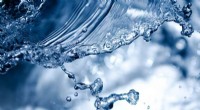
* High Surface Tension: The strong cohesion of water molecules creates a high surface tension. This is why water forms droplets and why insects can walk on water.
* Capillary Action: Cohesion also contributes to capillary action. Water molecules are attracted to each other and to the walls of narrow tubes, causing water to rise against gravity in tubes or porous materials.
* Solubility of Polar Molecules: The polarity of water molecules, due to hydrogen bonding, allows it to dissolve other polar molecules. The attraction between water molecules and polar molecules like sugars and salts is crucial for many biological processes.
In summary: Hydrogen bonds between water molecules create strong cohesion, leading to several important properties of water, including high surface tension, capillary action, and the ability to dissolve polar molecules.