1. Polarity: Water molecules are polar, meaning they have a slightly positive charge on one end (hydrogen atoms) and a slightly negative charge on the other (oxygen atom). This polarity allows water to interact with and dissolve other polar molecules, such as sugars and salts.
2. Hydrogen Bonding: The slightly positive hydrogen atoms in one water molecule can form weak bonds called hydrogen bonds with the slightly negative oxygen atom of another water molecule. This strong network of hydrogen bonds gives water its high cohesive forces and surface tension, which helps it pull apart ionic compounds.
3. High Dielectric Constant: Water has a high dielectric constant, meaning it can effectively weaken the electrostatic forces holding ions together in ionic compounds. This allows water to separate the ions and surround them individually, effectively dissolving the compound.
4. Universal Solvent: Water's ability to dissolve a wide range of substances makes it a "universal solvent". This property is crucial for life, allowing for the transport and reaction of nutrients and waste products in living organisms.
Specific Examples:
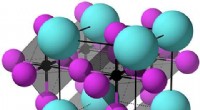
* Ionic Compounds: Water can dissolve ionic compounds like sodium chloride (NaCl) by surrounding the individual ions (Na+ and Cl-) and weakening their electrostatic attraction.
* Polar Molecules: Water can dissolve polar molecules like sugar by forming hydrogen bonds with the polar groups on the sugar molecule.
* Gases: Some gases, like carbon dioxide, can dissolve in water due to their ability to form weak interactions with water molecules.
Limitations:
While water is an excellent solvent, it doesn't dissolve everything. It has difficulty dissolving nonpolar substances like fats and oils due to their lack of polar groups that water can interact with.
In conclusion, water's unique combination of polarity, hydrogen bonding, high dielectric constant, and its ability to form various interactions with different molecules makes it a powerful and versatile solvent. This property is essential for many biological and chemical processes, making water an indispensable component of life on Earth.