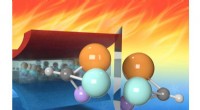
* H2O (water) has one oxygen atom per molecule.
* H2O2 (hydrogen peroxide) has two oxygen atoms per molecule.
Here's a breakdown of their properties and uses:
H2O (Water)
* Properties: Colorless, odorless, tasteless liquid at room temperature. Essential for life, a good solvent, and has a high heat capacity.
* Uses: Drinking, cooking, bathing, agriculture, industrial processes.
H2O2 (Hydrogen Peroxide)
* Properties: Colorless liquid at room temperature, but decomposes readily to water and oxygen. Acts as an oxidizing agent.
* Uses: Disinfectant, bleaching agent, rocket propellant, hair bleach, cleaning contact lenses.
Key Differences:
* Chemical Structure: H2O2 has an extra oxygen atom compared to H2O.
* Stability: H2O is very stable, while H2O2 is unstable and decomposes easily.
* Oxidizing Properties: H2O2 is a powerful oxidizing agent, while water is not.
* Uses: H2O is essential for life, while H2O2 is used for cleaning and disinfection.
Important Note:
* Hydrogen peroxide can be harmful if ingested or used directly on open wounds in high concentrations.
* It is important to use it safely and follow the instructions on the product label.