Here's a breakdown of why:
* Carbon's Unique Bonding Ability: Carbon has the remarkable ability to form four covalent bonds. This allows it to create long chains, branched structures, and rings, making it the backbone of incredibly diverse and complex molecules.
* The "Big Five" of Organic Chemistry: While carbon is the foundation, the other elements you mentioned (hydrogen, oxygen, nitrogen, and phosphorus) play critical roles in the structure and function of organic compounds:
* Hydrogen: The most common element bonded to carbon, forming the basic framework of many organic molecules.
* Oxygen: Essential for functional groups like alcohols, ketones, and aldehydes, which influence chemical reactivity. Oxygen is also present in many carbohydrates, lipids, and nucleic acids.
* Nitrogen: Found in amino acids (the building blocks of proteins) and nucleic acids (DNA and RNA). It contributes to the diversity of biological molecules.
* Phosphorus: Key component of the backbone of DNA and RNA, and also found in energy-carrying molecules like ATP.
Examples of Organic Compounds:
* Carbohydrates: Sugars, starches, and cellulose (made of carbon, hydrogen, and oxygen)
* Lipids: Fats, oils, and steroids (mainly carbon, hydrogen, and oxygen)
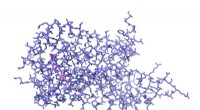
* Proteins: Enzymes, antibodies, and structural components (built from amino acids containing carbon, hydrogen, oxygen, nitrogen, and sometimes sulfur)
* Nucleic Acids: DNA and RNA (composed of carbon, hydrogen, oxygen, nitrogen, and phosphorus)
Exceptions:
While carbon is the defining element for organic compounds, there are a few exceptions:
* Simple Carbon Compounds: Carbon dioxide (CO₂) and carbonates are considered inorganic despite containing carbon.
* Compounds with Carbon and Other Elements: Some compounds containing carbon and other elements like metals (e.g., calcium carbonate) are classified as inorganic.
Key Takeaway:
Organic compounds are vast and diverse, and their chemistry is crucial for life as we know it. While carbon is the defining element, the presence of hydrogen, oxygen, nitrogen, and phosphorus significantly contributes to their unique properties and functions.