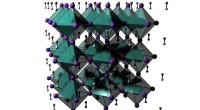
* Formation of a Methanol-Calcium Chloride Complex: CaCl₂ can form a complex with methanol, which means it will bind to the methanol molecules rather than simply removing the water. This makes it less effective as a drying agent for methanol.
* Limited Efficiency: Even if it does absorb some water, CaCl₂ is not a very efficient drying agent for methanol.
* Alternative Drying Agents: Better options for drying methanol include:
* Magnesium Sulfate (MgSO₄): This is a more effective drying agent for methanol, as it doesn't form complexes with it.
* Molecular Sieves: These are highly porous materials that can selectively remove water molecules from the methanol, making them an excellent choice for achieving very low water content.
In summary: While CaCl₂ might be used to dry methanol in some situations, it's not the optimal choice. For best results, consider using MgSO₄ or molecular sieves.