2Al(s) + 3CuSO₄(aq) → Al₂(SO₄)₃(aq) + 3Cu(s)
Here's a breakdown of what happens:
* Aluminum (Al) is more reactive than copper (Cu). This means aluminum has a stronger tendency to lose electrons.
* Copper(II) sulfate (CuSO₄) is a soluble salt, meaning it dissolves in water to form copper(II) ions (Cu²⁺) and sulfate ions (SO₄²⁻).
* The reaction is a single displacement reaction where aluminum displaces copper from its solution. Aluminum atoms lose electrons and form aluminum ions (Al³⁺).
* Copper ions (Cu²⁺) gain electrons and become solid copper (Cu) atoms, which precipitate out of the solution.
* Aluminum sulfate (Al₂(SO₄)₃) is formed as a soluble salt, remaining in solution.
In simpler terms:
The aluminum foil reacts with the copper(II) sulfate solution, resulting in:
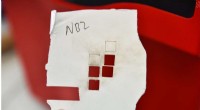
* Formation of solid copper on the aluminum foil, giving it a reddish-brown coating.
* Aluminum sulfate dissolving in the solution.
You can observe this reaction visually:
* The blue color of the copper(II) sulfate solution fades as the copper ions are consumed.
* The aluminum foil becomes coated with a reddish-brown layer of copper.