Here's why:
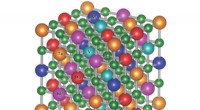
* Ionic Compound: NaI is an ionic compound, meaning it's composed of positively charged sodium ions (Na+) and negatively charged iodide ions (I-).
* Polar Solvent: Water (H2O) is a polar solvent, meaning it has a positive and negative end due to the uneven sharing of electrons.
* Attraction: The positive end of water molecules attracts the negative iodide ions, and the negative end of water molecules attracts the positive sodium ions. This strong attraction overcomes the forces holding the NaI crystal together, allowing it to dissolve readily in water.
Quantitative Data:
* At room temperature (25°C), the solubility of NaI in water is approximately 184 grams per 100 mL of water. This means that you can dissolve almost twice the weight of NaI in water compared to the weight of the water itself.
* The solubility increases significantly with temperature.
Note: It's important to remember that solubility is a dynamic process, and the maximum amount of NaI that can dissolve in water is dependent on factors such as temperature, pressure, and the presence of other solutes.