Here's why this happens:
* Sodium (Na) is a metal that readily loses one electron to become a positively charged ion (Na+).
* Chlorine (Cl) is a nonmetal that readily gains one electron to become a negatively charged ion (Cl-).
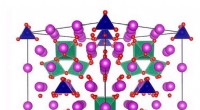
* Electrostatic attraction: The oppositely charged ions (Na+ and Cl-) are attracted to each other, forming an ionic bond. This bond holds them together in a crystal lattice structure, resulting in the formation of sodium chloride.
So, the answer is a resounding yes! Chlorine and sodium form a very important and familiar compound: table salt.