* Density: Water vapor (H₂O) has a lower molecular weight than nitrogen (N₂) and oxygen (O₂). This means a given volume of water vapor will weigh less than the same volume of nitrogen or oxygen.
* Buoyancy: Because water vapor is less dense, it tends to rise in the atmosphere. This is similar to how a helium balloon rises in air – the lighter gas is buoyed upward by the denser surrounding air.
* Weather and Climate: This buoyancy of water vapor is a key factor in weather patterns. It fuels:
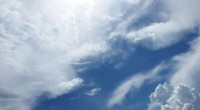
* Cloud formation: As water vapor rises, it cools and condenses, forming clouds.
* Convection: The rising of warm, moist air (which contains more water vapor) creates powerful updrafts that can lead to thunderstorms and other weather phenomena.
* Global circulation: Large-scale atmospheric circulation patterns are driven in part by the movement of water vapor.
In summary: The fact that water vapor is lighter than the other major components of the atmosphere (nitrogen and oxygen) makes it rise, which in turn drives a lot of weather and climate processes.