1. Spontaneous Reactions and Entropy
* Spontaneous Reactions: These reactions occur naturally without external input of energy.
* Entropy (S): A measure of disorder or randomness in a system.
The key to understanding this is entropy. The second law of thermodynamics states that the total entropy of an isolated system always increases over time.
2. Evaporation and Entropy Increase
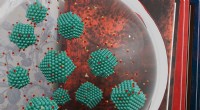
* Liquid Water: Water molecules are tightly packed and relatively ordered.
* Water Vapor: Water molecules are widely spaced and more disordered.
When water evaporates, the water molecules transition from a more ordered liquid state to a less ordered gaseous state. This increase in disorder leads to an increase in entropy.
3. The Role of Energy
* Energy Input: While evaporation does require energy to break the bonds between water molecules, this energy is usually supplied by the surrounding environment (e.g., heat from the sun, air).
* Energy is Not the Sole Factor: The overall spontaneity of a reaction is determined by both enthalpy (heat changes) and entropy. Evaporation is spontaneous because the increase in entropy outweighs the energy required to break the bonds.
4. Equilibrium
* Evaporation Rate vs. Condensation Rate: At any given temperature, water molecules are constantly moving between liquid and vapor states. Evaporation and condensation occur simultaneously.
* Equilibrium: When the rate of evaporation equals the rate of condensation, a state of equilibrium is reached. This equilibrium doesn't mean that evaporation stops, but rather that there's a balance between the two processes.
In Summary
Evaporation is a spontaneous reaction because the increase in entropy due to the transition to a less ordered state outweighs the energy required to break the bonds between water molecules. The energy needed for evaporation is usually supplied by the surroundings, making the process possible.