Zn(s) + CuCl₂(aq) → ZnCl₂(aq) + Cu(s)
Explanation:
* Zn(s): Zinc is the solid reactant, represented by (s).
* CuCl₂(aq): Copper chloride is the aqueous reactant (dissolved in water), represented by (aq).
* ZnCl₂(aq): Zinc chloride is the aqueous product formed, represented by (aq).
* Cu(s): Copper is the solid product, represented by (s).
What happens:
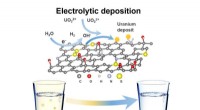
Zinc is more reactive than copper. This means zinc can displace copper from its compound. In the reaction, zinc atoms lose electrons (oxidation) and become zinc ions (Zn²⁺), which then combine with chloride ions (Cl⁻) to form zinc chloride. At the same time, copper ions (Cu²⁺) from copper chloride gain electrons (reduction) and become copper atoms, which deposit as a solid.
Observations:
* You will observe a reddish-brown solid (copper) forming on the surface of the zinc.
* The solution may change color depending on the concentration of copper chloride and the amount of copper formed.