* Copper (Cu) is more reactive than Silver (Ag). This means copper can displace silver from its compound.
* Copper atoms lose electrons and become copper ions (Cu²⁺).
* Silver ions (Ag⁺) in the silver nitrate solution gain electrons and become silver atoms (Ag).
The overall reaction can be represented by the following chemical equation:
Cu(s) + 2AgNO₃(aq) → Cu(NO₃)₂(aq) + 2Ag(s)
Here's a breakdown of what you'll observe:
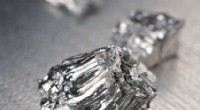
* A silvery-white solid (silver) will start to form on the surface of the copper. This is because the silver ions from the solution are being reduced to silver atoms, which then precipitate out of the solution.
* The solution will turn blue. This is due to the formation of copper(II) nitrate, which is a blue solution.
* The copper metal will gradually dissolve as it is oxidized to copper ions.
In summary:
The reaction between copper and silver nitrate results in the formation of silver metal and copper(II) nitrate. The reaction is a classic example of a single displacement reaction driven by the relative reactivity of the metals involved.