* Electrostatic Attraction: Copper (Cu) is a metal, while chlorine (Cl) is a nonmetal. Metals tend to lose electrons and become positively charged cations (Cu²⁺), while nonmetals tend to gain electrons and become negatively charged anions (Cl⁻). The strong electrostatic attraction between these oppositely charged ions forms the ionic bond.
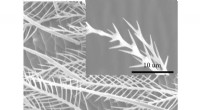
* Crystal Lattice: In solid copper II chloride, the Cu²⁺ and Cl⁻ ions arrange themselves in a regular, repeating pattern called a crystal lattice. This structure maximizes the electrostatic attractions and minimizes repulsions, leading to a stable compound.
Let me know if you'd like more details about ionic bonding!