The Nitrogen Cycle
Nitrate (NO3-) and nitrite (NO2-) are forms of nitrogen that are crucial for life, but they can also be harmful in excess. The process you're describing is part of the nitrogen cycle, which is a complex series of reactions that convert nitrogen between different forms.
Denitrification
The specific process that converts nitrates and nitrites into nitrogen gas is called denitrification. This occurs primarily in anaerobic (oxygen-poor) environments, such as:
* Soil: Bacteria in the soil, especially those living in waterlogged or compacted areas, perform denitrification.
* Water bodies: Denitrification also happens in lakes, oceans, and other bodies of water where oxygen levels are low.
Steps of Denitrification
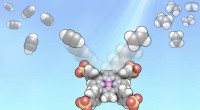
1. Nitrate (NO3-) is reduced to nitrite (NO2-) by certain bacteria.
2. Nitrite (NO2-) is further reduced to nitric oxide (NO).
3. Nitric oxide (NO) is reduced to nitrous oxide (N2O).
4. Nitrous oxide (N2O) is finally reduced to nitrogen gas (N2), which is released into the atmosphere.
Importance of Denitrification
* Nutrient Cycling: Denitrification helps regulate the amount of nitrogen in the environment. It removes excess nitrogen from ecosystems, preventing overgrowth and eutrophication.
* Greenhouse Gas Emission: Nitrous oxide (N2O) is a powerful greenhouse gas, so denitrification can contribute to climate change.
Note: While the conversion of nitrate and nitrite to nitrogen gas typically goes through the steps listed above, other intermediate products can also be formed in the process.