Chemical Burns:
* Skin contact: HCl can cause severe burns to the skin, leading to redness, blistering, and even permanent scarring.
* Eye contact: HCl can cause severe damage to the eyes, potentially leading to blindness.
Respiratory Problems:
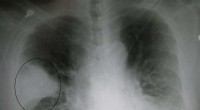
* Inhalation: HCl fumes can irritate the respiratory system, causing coughing, wheezing, and difficulty breathing. In severe cases, it can lead to pulmonary edema (fluid buildup in the lungs) and death.
Other Hazards:
* Mixing with other chemicals: Combining HCl with certain substances, like bleach or strong bases, can create toxic fumes or explosive reactions.
* Improper storage: HCl should be stored in a tightly sealed container, away from heat and direct sunlight.
* Spills and leaks: Spills and leaks of HCl can pose significant hazards to people and the environment.
* Improper disposal: HCl should be disposed of properly, following local regulations.
It's crucial to:
* Always wear appropriate personal protective equipment (PPE), including gloves, goggles, and a lab coat.
* Work in a well-ventilated area.
* Never work alone.
* Have a safety plan in place in case of an accident.
* Know how to properly handle spills and leaks.
If you are not trained in the proper handling of hazardous chemicals, you should not experiment with hydrochloric acid.
For more information on safe handling and disposal of hazardous chemicals, please consult a professional chemist or refer to your local safety regulations.