1. Presence of Two or More Elements:
* Compounds are formed by the chemical combination of two or more different elements in a fixed ratio.
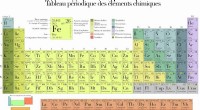
* Elements are represented by single capital letters or capital letters followed by lowercase letters (e.g., H, O, Na, Cl).
* If the formula contains symbols for two or more different elements, it is likely a compound.
Examples:
* H₂O (water): Contains hydrogen (H) and oxygen (O).
* NaCl (table salt): Contains sodium (Na) and chlorine (Cl).
* CO₂ (carbon dioxide): Contains carbon (C) and oxygen (O).
2. Subscripts Indicate Ratios:
* Subscripts in a chemical formula indicate the number of atoms of each element present in the compound.
* The subscripts represent the ratio of elements in the compound.
Examples:
* H₂O: Two hydrogen atoms (H₂) and one oxygen atom (O).
* CO₂: One carbon atom (C) and two oxygen atoms (O₂).
* C₆H₁₂O₆ (glucose): Six carbon atoms (C₆), twelve hydrogen atoms (H₁₂), and six oxygen atoms (O₆).
Important Note:
* While these features are generally good indicators, it's important to remember that some substances might appear to be compounds due to their formula but are actually mixtures.
Example:
* Air is a mixture of gases like nitrogen (N₂), oxygen (O₂), and carbon dioxide (CO₂). While these gases have individual formulas, air itself does not have a fixed formula.
Therefore, the presence of two or more elements in a fixed ratio, indicated by subscripts, is a reliable way to identify a compound through its chemical formula.