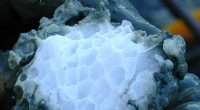
* Chemical Reaction: The acetic acid in vinegar reacts with copper, creating copper acetate. This reaction is a form of oxidation, similar to rust forming on iron.
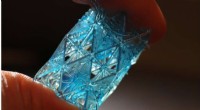
* Color Change: The copper acetate is a bluish-green compound, giving the copper a distinctive patina.
* Erosion: Over time, the reaction can erode the copper surface, especially if the vinegar is left in contact for extended periods.
Here are some examples of how vinegar affects copper:
* Cleaning Copper: Vinegar is often used to clean copper items, as the acid helps remove tarnish and grime. However, prolonged exposure to vinegar can damage the copper.
* Patina Development: Vinegar can be used to create a patina on copper, which is a protective coating that helps prevent further corrosion. This is a common practice for decorative purposes.
* Corrosion: If vinegar is left on copper for too long, it can cause significant corrosion, leading to pitting and weakening of the metal.
It's important to note: The rate of corrosion depends on several factors, including the concentration of the vinegar, the temperature, and the presence of other chemicals.
In summary, vinegar can be a useful tool for cleaning and patinating copper, but it's important to use it sparingly and with caution to avoid excessive corrosion.