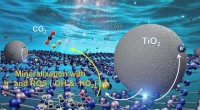
* Water: Water acts as a solvent and can dissolve minerals, particularly soluble ones like halite (rock salt). It also plays a crucial role in other weathering processes, like hydrolysis and oxidation.
* Acids: Acids, both naturally occurring and those produced by human activity, can react with minerals and break them down. Examples include:
* Carbonic acid: Formed when carbon dioxide dissolves in water, it reacts with minerals like calcite (found in limestone) to form soluble bicarbonates.
* Organic acids: Produced by decaying plants and animals, these acids can also contribute to weathering.
* Acid rain: Caused by the release of sulfur dioxide and nitrogen oxides into the atmosphere, acid rain accelerates weathering rates.
* Oxygen: Oxygen can react with minerals, especially iron-containing minerals, leading to oxidation (rusting). This process weakens the mineral and makes it more susceptible to further weathering.
* Living organisms: Plants, animals, and microorganisms can also contribute to chemical weathering through processes like:
* Root wedging: Plant roots can grow into cracks in rocks and expand, putting pressure on the rock and breaking it.
* Bioturbation: Animals burrowing in the ground can expose fresh rock surfaces to weathering agents.
* Organic acids: As mentioned above, these can be produced by decaying organisms.
In summary, chemical weathering is triggered by a combination of factors including water, acids, oxygen, and the activities of living organisms. These factors interact with minerals, causing chemical reactions that break down the rock and alter its composition.