1. Lattice Energy:
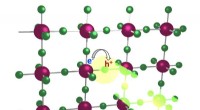
* Lead chromate has a very strong ionic bond between the lead (Pb2+) and chromate (CrO42-) ions. This strong bond requires a lot of energy to break, which is not provided by water.
2. Hydration Energy:
* The hydration energy of lead and chromate ions is relatively low. This means that water molecules do not effectively surround and stabilize the ions when they are dissolved.
3. Entropy:
* Dissolving lead chromate would increase the entropy of the system (more disorder). However, the gain in entropy is not enough to overcome the energy required to break the strong ionic bonds.
4. Common Ion Effect:
* Lead chromate is even less soluble in the presence of common ions like lead (Pb2+) or chromate (CrO42-) ions. This effect further reduces its solubility.
In summary:
The strong ionic bonds in lead chromate require a large amount of energy to break, which is not provided by water. The low hydration energy and the entropic factors also contribute to its insolubility.
It's important to note that while lead chromate is considered "insoluble" in water, it does exhibit a very small degree of solubility. This means a tiny amount of lead chromate will dissolve in water, but the concentration is extremely low.