Here's why:
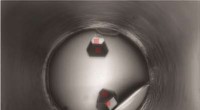
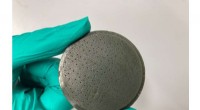
* Metallic Luster: Pyrite, often called "fool's gold," has a characteristic metallic luster due to its high reflectivity. It reflects light like a metal, giving it a shiny, bright appearance.
* Non-metallic Luster: However, pyrite can also exhibit a non-metallic luster, specifically a striated luster. This means it has parallel lines or grooves on its surface that interrupt the reflection of light, making it appear less shiny and more muted.
Therefore, depending on the specific crystal habit and surface features of a pyrite sample, it can present either a metallic or a striated (non-metallic) luster.