CH₃CH₂CH₂CH=CHCH₃ + Br₂(aq) → CH₃CH₂CH₂CHBrCHBrCH₃
Explanation:
* Hexene (CH₃CH₂CH₂CH=CHCH₃) is an alkene with a double bond between the fourth and fifth carbon atoms.
* Bromine water (Br₂(aq)) is a solution of bromine (Br₂) in water.
* The product is a dibromoalkane, in this case, 2,3-dibromohexane (CH₃CH₂CH₂CHBrCHBrCH₃).
Mechanism:
1. Electrophilic attack: The double bond in hexene acts as a nucleophile and attacks the electrophilic bromine molecule (Br₂). This breaks the bromine-bromine bond and forms a bromonium ion intermediate.
2. Nucleophilic attack: The bromide ion (Br⁻) in the solution then attacks the bromonium ion, opening the ring and forming the dibromoalkane product.
Observation:
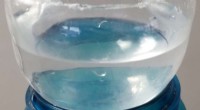
The reaction is characterized by the disappearance of the reddish-brown color of bromine water as it is consumed in the reaction. This is a classic test for the presence of alkenes.