1. Melting and Dehydration:
* Sugar, primarily sucrose, begins to melt at around 160°C (320°F).
* As the temperature rises, water molecules within the sugar structure are driven off through a process called dehydration.
2. Caramelization:
* This is where the magic happens. As water is removed, the sugar molecules break down and rearrange, forming new compounds.
* Fructose and glucose, the two simple sugars that make up sucrose, undergo complex reactions involving dehydration, isomerization, and polymerization.
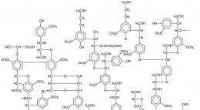
* These reactions create hundreds of different molecules, including caramelan, caramelen, caramel, and humins, which contribute to the characteristic brown color and complex aroma of caramelized sugar.
3. Further Heating and Decomposition:
* If you continue heating the sugar, the caramelization process goes further, leading to the formation of even more complex molecules and a darker brown color.
* At higher temperatures, the sugar begins to break down into volatile compounds, such as furfural and hydroxymethylfurfural (HMF), which contribute to the bitter and smoky flavors associated with burnt sugar.
* Ultimately, if the sugar is heated long enough, it will decompose completely into carbon and other byproducts.
In summary, the chemical reaction of heating sugar involves a combination of dehydration, isomerization, polymerization, and decomposition, leading to the creation of a wide range of compounds responsible for the characteristic color, aroma, and flavor of caramelized sugar.