1. Starting Material:
* Table Salt (NaCl): The most common source. However, it often contains additives like iodine, anticaking agents, and trace impurities.
* Reagent Grade Sodium Chloride: This is a highly purified form of sodium chloride, usually available from chemical suppliers. It's the easiest route if you need a very pure sample.
2. Purification Methods:
* Recrystallization: This is a classic method for purifying salts:
* Dissolve: Dissolve the salt in a minimum amount of hot distilled water. Impurities are less soluble and tend to stay behind.
* Filter: While hot, filter the solution through a filter paper to remove any insoluble particles.
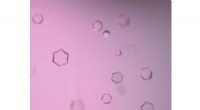
* Cool: Allow the solution to cool slowly. As the water cools, the solubility of sodium chloride decreases, causing the pure salt to crystallize out.
* Separate: Filter the crystals and wash them with a small amount of cold distilled water to remove any remaining impurities.
* Dry: Dry the crystals in an oven at a low temperature (around 100-110 °C) until all the water evaporates.
* Sublimation: (Applicable for very pure samples)
* Heat: Heat the sodium chloride under vacuum. Sodium chloride will not sublimate, but any volatile impurities may vaporize and be removed.
3. Drying the Sample:
* Oven Drying: Place the salt crystals in a clean, dry oven set to a low temperature (around 100-110 °C). Do not exceed this temperature, as sodium chloride may start to decompose.
* Desiccator: Store the dried salt in a desiccator containing a desiccant, such as silica gel, to absorb any residual moisture.
4. Important Considerations:
* Distilled Water: Use only distilled water for dissolving and washing the salt. Tap water contains impurities that will contaminate your sample.
* Cleanliness: Use clean glassware and tools to avoid introducing new impurities.
* Safety: Handle hot solutions and oven-dried materials with care to avoid burns.
Note: The purity and dryness required for a sodium chloride sample will depend on its intended use. For most laboratory and everyday applications, table salt purified by recrystallization will suffice.