1. Fuels with low energy density: This is the most common interpretation. Low-grade fuels refer to fuels that produce less energy per unit mass or volume compared to higher-grade fuels. For example:
* Biomass: Wood, straw, agricultural residues, etc. have lower energy content per unit mass compared to fossil fuels like coal or oil.
* Waste-derived fuels: Fuels derived from municipal solid waste or industrial waste are generally considered low-grade due to their heterogeneous composition and lower energy density.
* Low-quality coal: Coal with high ash content, high moisture content, or a lower carbon content is considered low-grade and has a lower energy output than high-quality coal.
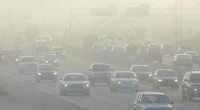
2. Fuels with high emissions: This is another possible interpretation. Some fuels, even if they have a high energy density, are considered low-grade because of their high emissions of pollutants like sulfur dioxide, nitrogen oxides, or particulate matter. For example:
* High-sulfur coal: While coal has a high energy density, high-sulfur coal is considered low-grade due to its high sulfur emissions which contribute to acid rain and other environmental problems.
* Certain types of biomass: While some biomass fuels are relatively clean, certain types, like wood with high moisture content, can produce significant smoke and particulate emissions.
3. Fuels with specific limitations: Sometimes "low-grade fuels" refers to fuels that have certain technical limitations or are not as widely used as other fuels. For example:
* Biodiesel: While a renewable fuel, biodiesel often has a lower energy density and higher viscosity than conventional diesel fuel.
* Certain types of gas: Natural gas extracted from unconventional sources like shale gas might be considered low-grade due to higher methane content or other impurities.
It's important to consider the specific context when interpreting "low-grade fuels". The definition can vary based on the industry, application, and environmental concerns.
If you can provide more information about the context in which you encountered this term, I can give you a more specific and relevant answer.