Here's why:
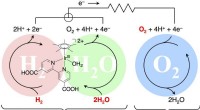
* Rusting is an electrochemical process that requires oxygen and water.
* Sodium hydroxide is a strong base and reacts with water to produce hydroxide ions (OH-). This makes the solution alkaline (basic), which is unfavorable for rusting.
* Sodium hydroxide can actually inhibit rusting by forming a protective layer on the iron surface. This layer prevents oxygen and water from reaching the iron, thus hindering the rusting process.
However, it's important to note that:
* Sodium hydroxide can indirectly contribute to rusting if the solution is not properly controlled. If the pH of the solution is not sufficiently alkaline, the protective layer may not form properly.
* Sodium hydroxide can also attack other metals like aluminum, leading to corrosion.
In summary, sodium hydroxide itself does not cause rusting, but it can inhibit it under certain conditions.