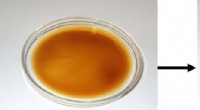
Initial State:
* Iron: Typically a silvery-gray, shiny, metallic solid.
* Sulfur: A bright yellow, powdery solid.
Reaction:
Heating iron and sulfur together initiates a reaction, releasing heat and light. The sulfur melts and becomes a reddish-brown liquid. The iron reacts with the sulfur, resulting in a chemical change.
Final State:
* Iron Sulfide (FeS): A dark, brittle solid. The color can vary depending on the specific form of iron sulfide, ranging from black to dark gray. It is generally not shiny like the original iron.
Visual Description:
Imagine a mixture of silvery iron filings and bright yellow sulfur powder. When heated, the sulfur melts and turns reddish-brown. The iron and sulfur react, and the mixture will turn a dark, almost black color. The final product, iron sulfide, will be a solid with a rough, non-metallic appearance.
Additional Notes:
* The reaction between iron and sulfur is exothermic, meaning it releases heat.
* Iron sulfide has a distinctive odor that is similar to rotten eggs (hydrogen sulfide gas).
* The reaction conditions can affect the specific form of iron sulfide produced (e.g., FeS, FeS2).
In Summary:
The reaction of iron and sulfur results in a dramatic transformation from a mixture of metallic gray and bright yellow solids to a dark, brittle solid with a distinct smell. This is a classic example of a chemical reaction where new substances with unique properties are formed.