Reaction Equation:
2 KAl(SO₄)₂·12H₂O + 3 Na₂CO₃ → Al₂(CO₃)₃ (s) + 3 K₂SO₄ + 6 Na₂SO₄ + 24 H₂O
Explanation:
* Double Displacement: The positively charged ions (cations) and negatively charged ions (anions) of the reactants switch partners.
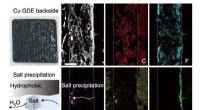
* Precipitate Formation: Aluminum carbonate (Al₂(CO₃)₃) is insoluble in water, meaning it doesn't dissolve readily. This causes it to form a solid precipitate that settles out of the solution.
* Other Products: Potassium sulfate (K₂SO₄) and sodium sulfate (Na₂SO₄) are soluble in water and remain dissolved.
* Water: The water molecules from the hydrated alum and the reaction itself are also present in the solution.
In Summary:
When potash alum reacts with sodium carbonate, a white precipitate of aluminum carbonate forms, along with soluble potassium sulfate and sodium sulfate. The reaction is essentially a process of exchanging ions between the two reactants, leading to the formation of a solid product.