* Substance: A pure form of matter with a definite and consistent composition. This means the substance always has the same chemical makeup.
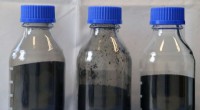
* Mixture: A combination of two or more substances that are not chemically bonded. The substances in a mixture can be separated by physical means. Examples include salt and pepper, sand and water.
* Compound: A substance formed when two or more different elements are chemically bonded together. Compounds have a fixed ratio of elements. Examples include water (H₂O), carbon dioxide (CO₂), and table salt (NaCl).
* Element: A pure substance that cannot be broken down into simpler substances by chemical means. Elements are made up of only one type of atom. Examples include gold (Au), oxygen (O), and carbon (C).
In summary:
* Substance: A broad term encompassing all pure forms of matter.
* Mixture: A combination of substances that are not chemically bonded.
* Compound: A substance formed by chemically bonded elements.
* Element: A pure substance made up of only one type of atom.