Here's why:
* Not all reactions involve light absorption: Many chemical reactions occur through collisions between molecules, driven by factors like temperature, concentration, and catalysts. Light is not involved in these processes.
* Light energy is not always sufficient: The energy required to break chemical bonds and drive a reaction varies greatly. While light can provide energy in some cases, its energy level is often insufficient to initiate reactions.
However, light plays a crucial role in some specific types of reactions:
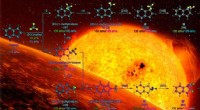
* Photochemical reactions: These reactions are directly initiated by the absorption of light energy, which excites electrons in molecules and leads to bond breaking or formation. Examples include photosynthesis, photolysis, and the formation of ozone.
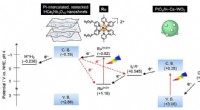
* Photocatalysis: Certain materials, known as photocatalysts, use light energy to facilitate chemical reactions. They absorb light, excite electrons, and create reactive species that can promote chemical transformations.
* Spectroscopy: Light is used to analyze the structure and properties of molecules, providing information about their chemical composition and reactions.
In summary:
Light is an important factor in specific types of chemical reactions, mainly those involving the direct absorption of light energy. However, it's not a universal factor for all chemical reactions. Many reactions proceed without any influence from light.