1. Formation of a New Substance with Different Properties: This is the most fundamental indicator. If the resulting product(s) have significantly different physical and chemical properties from the original reactants, it's a strong sign of a chemical reaction. Examples:
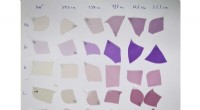
* Color Change: A change in color often indicates a new compound has formed.
* Formation of a Precipitate: When a solid forms from a solution, it indicates a new substance has been produced.
* Change in Odor: A distinct new smell can suggest a chemical reaction.
* Change in Taste: Be extremely cautious! This should be done only under controlled conditions and never with unknown substances.
2. Energy Change: Chemical reactions often involve either the release or absorption of energy. This can be observed as:
* Heat Production (Exothermic): The reaction releases heat and makes the surroundings warmer.
* Heat Absorption (Endothermic): The reaction absorbs heat from the surroundings, making them cooler.
* Light Emission (Chemiluminescence): Light is produced as a result of the reaction.
3. Gas Evolution: The formation and release of a gas, often observed as bubbles, is a clear sign of a new substance being formed.
4. Irreversible Change: Some reactions are irreversible, meaning it is difficult or impossible to return the reactants to their original state. This is a strong indicator of a chemical change.
Important Considerations:
* Not all reactions are obvious: Some chemical reactions occur very slowly or with minimal observable changes.
* Physical changes can sometimes mimic chemical reactions: For example, ice melting into water is a physical change, even though there is a change in state.
In conclusion, the "best" evidence for a chemical reaction is a combination of multiple indicators. The more indicators present, the stronger the evidence for a chemical change.