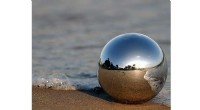
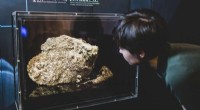
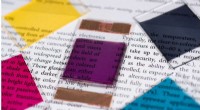
* Light Reflection: The way light reflects off a mineral's surface is a major factor in its color. When a mineral is in its natural form, light interacts with its crystal structure and surface irregularities, creating a specific color. Grinding the mineral into powder changes the surface, altering how light interacts with it.
* Impurities: Some minerals contain impurities that can affect their color. Grinding can expose these impurities, changing the overall color of the powder.
* Oxidation: Some minerals react with oxygen in the air, causing a change in color. Grinding increases the surface area exposed to oxygen, accelerating this process.
Here are a couple of examples:
* Malachite: In its natural form, malachite is a beautiful green mineral. When powdered, it can turn a more greenish-brown color due to exposure to oxygen.
* Hematite: Hematite is a dark red mineral, but when ground into a fine powder, it can appear reddish-brown or even black.
It's fascinating how a simple change like grinding can alter a mineral's appearance!