1. Water as a Solvent:
* Rain: Rainwater is naturally slightly acidic due to dissolved carbon dioxide from the atmosphere. This weak carbonic acid can dissolve minerals like calcite (found in limestone) and feldspar, breaking down the rock.
* Groundwater: Water seeping through the ground becomes more acidic due to dissolved organic acids and other chemicals. This acidic groundwater can further attack and dissolve minerals in rocks.
* Frost Wedging: When water freezes, it expands, putting pressure on rock. This can cause cracks and fissures, providing more surface area for chemical weathering to occur.
2. Oxygen and Oxidation:
* Oxygen in air: Iron minerals in rocks, like pyrite, are susceptible to oxidation. When exposed to oxygen, they react to form iron oxides (rust). This process weakens the rock and can cause it to crumble.
3. Carbon Dioxide and Carbonation:
* Atmospheric CO2: As mentioned earlier, carbon dioxide dissolved in rainwater forms carbonic acid. This acid reacts with minerals like calcite in limestone, forming calcium bicarbonate which is soluble in water. This process is called carbonation.
* Soil CO2: Organic matter in soil releases carbon dioxide, contributing to the acidity of the soil and increasing the rate of chemical weathering.
4. Acid Rain:
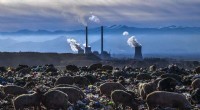
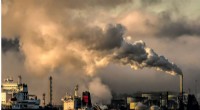
* Pollution: Industrial pollutants like sulfur dioxide and nitrogen oxides react with water in the atmosphere to form sulfuric acid and nitric acid. This acidic rain can significantly accelerate chemical weathering, especially in areas with high levels of industrial emissions.
5. Temperature and Humidity:
* Temperature: Higher temperatures increase the rate of chemical reactions, speeding up weathering processes.
* Humidity: High humidity promotes the presence of water, which is essential for many chemical weathering reactions.
In summary:
Weather and air play a crucial role in chemical weathering by providing the necessary agents (water, oxygen, carbon dioxide, acids) and conditions (temperature, humidity) that drive chemical reactions that break down rocks. The presence of these factors determines the rate and type of chemical weathering that occurs in a particular environment.