* Boiling Point Definition: The boiling point of a liquid is the temperature at which its vapor pressure equals the surrounding atmospheric pressure.
* Vapor Pressure: Vapor pressure is the pressure exerted by the vapor of a liquid when it's in equilibrium with its liquid phase.
* Lower Pressure, Lower Boiling Point: When the surrounding pressure is lower, the liquid needs to reach a lower vapor pressure to equalize the external pressure. This means it needs to be heated to a lower temperature to boil.
Think of it this way:
Imagine you're trying to boil water in a pressure cooker. The pressure cooker creates a higher pressure environment inside, forcing the water molecules to stay in the liquid state even at higher temperatures. This is why water boils at a higher temperature in a pressure cooker.
The opposite is true at lower pressures. At lower pressures, the liquid molecules need less energy to escape into the gas phase, thus requiring a lower temperature to boil.
Examples:
* High altitude cooking: Water boils at a lower temperature at high altitudes because the atmospheric pressure is lower.
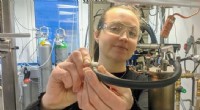
* Vacuum distillation: This technique uses a vacuum to lower the pressure, allowing compounds with high boiling points to be distilled at lower temperatures, preventing their decomposition.
Let me know if you'd like to explore any of these concepts in more detail!