Here's how it works:
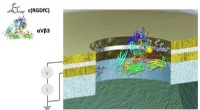
* Structure: The NPC is a large, intricate structure embedded in the nuclear envelope, which is the double membrane that surrounds the nucleus. It's made up of multiple proteins arranged in a ring-like structure.
* Selective Transport: The NPC acts as a gatekeeper, regulating the movement of molecules between the nucleus and the cytoplasm (the fluid inside the cell).
* Active Transport: The transport of molecules through the NPC is an active process, requiring energy. It's not just a simple diffusion.
* Import and Export:
* Import: The NPC allows the entry of molecules needed for nuclear processes, such as DNA and RNA polymerase (enzymes for DNA replication and transcription), transcription factors (proteins that control gene expression), and ribosomal proteins (for ribosome assembly).
* Export: The NPC allows the export of molecules produced in the nucleus, such as mRNA (messenger RNA), tRNA (transfer RNA), and rRNA (ribosomal RNA), which are essential for protein synthesis.
Here's a simplified analogy: Imagine the NPC as a revolving door. The door is designed to let people in and out, but it only allows certain types of people to pass through. This is similar to how the NPC regulates the movement of molecules between the nucleus and the cytoplasm.
Important Points:
* The NPC is highly regulated, ensuring only the necessary molecules enter and exit the nucleus.
* The transport process is facilitated by specific proteins called importins and exportins, which bind to the molecules and help them navigate through the NPC.
* The NPC is essential for maintaining the integrity and function of the nucleus.
Let me know if you'd like to delve deeper into any specific aspect of this!