Uranium-238 is the most common isotope of uranium, making up 99.27% of naturally occurring uranium. It is a radioactive element with a long half-life of 4.468 billion years. Here's a breakdown of its pros and cons:
Pros:
* Nuclear power: Although not directly fissionable, U-238 can be used in breeder reactors to produce fissile plutonium-239. This extends the fuel cycle and increases the energy yield from uranium.
* Medical applications: U-238 is used in medical imaging and cancer treatment due to its high penetrating power and long half-life.
* Dating: U-238's decay chain forms a basis for radiometric dating techniques, allowing scientists to determine the age of rocks and fossils.
* Scientific research: U-238 serves as a tracer in various scientific studies, including oceanography and environmental monitoring.
* Military applications: Depleted uranium, a byproduct of uranium enrichment, is used in armor-piercing projectiles due to its high density and self-sharpening properties.
Cons:
* Radioactive hazard: As a radioactive material, U-238 poses a risk of radiation exposure, which can cause health problems like cancer and birth defects. Its long half-life means it remains radioactive for a very long time.
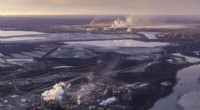
* Environmental contamination: Mining and processing uranium can release radioactive materials into the environment, contaminating air, water, and soil.
* Nuclear weapons: U-238 can be used to produce plutonium-239, which is used in nuclear weapons.
* Waste disposal: Uranium waste is highly radioactive and requires secure long-term storage, posing a significant environmental and safety challenge.
* Potential for nuclear accidents: Accidents at nuclear facilities can release radioactive materials into the environment, posing immediate and long-term health risks.
Conclusion:
Uranium-238 is a versatile element with both beneficial and harmful applications. Its use in nuclear power and medical applications is beneficial for energy production and healthcare, but its radioactive nature poses risks to human health and the environment. Responsible management and disposal of uranium are crucial to mitigate these risks.